You are probably aware that fiber is a beneficial part of a healthy diet. In fact, food manufacturers are betting that most people know this. Fiber is a food "fad" right now, and you may have noticed it being added to everything from yogurt to energy bars. Food manufacturers are isolating specific types of fiber to add to their products so that they can boast about it on their labels. This might leave you wondering- do the benefits of these products really match up to all the hype?
Fiber used to be simply divided into two types: soluble and insoluble. Soluble fiber is the type that is best known for its ability to lower blood cholesterol (you may be familiar with the Quaker oat campaign touting its ability to lower blood cholesterol). Insoluble fiber is what my grandmom used to call "roughage", it helps move things along in the digestive tract. Today we know that the breakdown into two groups is too simplistic. We now know that different types of these fibers provide a variety of functions. For example, inulin (the type that is often added to yogurt) supports healthy gut bacteria. New research on the soluble fiber pectin (found in apples) has shown that it has the ability to improve intestinal health as well. Eating certain types of soluble fiber has also recently been linked with a stronger immune system.
So what about those added fibers? For the most part, adding fiber to processed foods that are lacking in nutrients really does not make them a better choice nutritionally. A good example of this is companies adding a undigestable fiber such as cellulose to nutritionally devoid white bread to increase its fiber content. They are betting that some consumers will simply look at the fiber content of the bread (or the label that shouts "high fiber") and be convinced to purchase it. In reality, you are better off buying the whole wheat bread that is naturally full of nutrients. (Tip-look for the first ingredient of the bread to be a whole grain flour instead of basing your decision on how much fiber is in the bread). Foods that are naturally high in fiber provide vitamins, minerals, phytochemicals and other beneficial nutrients not found in the "enriched" processed foods.
Bottom line: Don't really on these "supplemented" foods to get your daily fiber. Eat more whole grains, legumes, fruits, vegetables, and nuts!
Monday, April 5, 2010


Friday, April 2, 2010
Take a (Tasty) Trip to the Tropics

Has our on-again, off-again warm weather made you crave somewhere where it STAYS warm? You might not be able to escape to the tropics right now, but you can enjoy a bit "tropical" flavor with your next meal. I have been delighted that fresh pineapple has been on sale quite a bit recently. I think my family and I have eaten more fresh pineapple in the last couple of months than we did for the entire year last year. And while my son will not eat canned pineapple, he loves the fresh stuff!
What's so great about pineapple?
1 cup of fresh pineapple contains 131% of the recommended daily allowance of vitamin C. That is a pretty good deal considering it only contains 82 calories. You will also get about 2 grams of fiber in that cup of fruit. In addition, pineapple contains bromelain, a protein-digesting enzyme. The bromelain in pineapple has been used for centuries in Central and South America to treat indigestion and decrease inflammation. (By the way, this enzyme is the reason that you cannot add fresh pineapple to gelatins and expect them to firm-up, the enzyme breaks down the protein).
My favorite way to eat fresh pineapple is to cut it up and chill it for about an hour, I think it is perfect just by itself. If your kids think that fresh pineapple is a little too acidic or sour, try freezing it and making a smoothie with it. Try frozen pineapple chunks mixed with frozen banana chunks and plain yogurt all whirred up in the blender-my kids love it!
What's so great about pineapple?
1 cup of fresh pineapple contains 131% of the recommended daily allowance of vitamin C. That is a pretty good deal considering it only contains 82 calories. You will also get about 2 grams of fiber in that cup of fruit. In addition, pineapple contains bromelain, a protein-digesting enzyme. The bromelain in pineapple has been used for centuries in Central and South America to treat indigestion and decrease inflammation. (By the way, this enzyme is the reason that you cannot add fresh pineapple to gelatins and expect them to firm-up, the enzyme breaks down the protein).
My favorite way to eat fresh pineapple is to cut it up and chill it for about an hour, I think it is perfect just by itself. If your kids think that fresh pineapple is a little too acidic or sour, try freezing it and making a smoothie with it. Try frozen pineapple chunks mixed with frozen banana chunks and plain yogurt all whirred up in the blender-my kids love it!
Friday, March 26, 2010
Tis' the Season
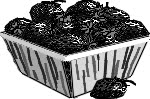
Strawberries are starting to appear in the grocery stores now......it must be spring! I truly love any type of berry so I am just ecstatic it when the first strawberries of the season appear. The next thing you know, it will be blueberry and raspberry season! Do you need a reminder about why you should feed your children these yummy berries? (I think that it is always fun to remind ourselves about just why certain foods are so nutritious).
Here is the nutrition "scoop" on strawberries: One cup of strawberries has about 149% of your daily vitamin C requirement. It also has 3 grams of fiber, plus other nutrients such as folate, manganese, magnesium and potassium. Strawberries (and other berries) are also a great source of healthy antioxidants! All this for just around 50 calories. So you can see that strawberries are not only yummy, they are a nutrient-rich food!
Here is a recipe for strawberry muffins that I have not tried yet. I plan on trying it soon (and probably tweeking it a little to make it more nutritious). Let me know what you think if you try it first! I will post my "tweeked" version soon.
Strawberry Muffins
2 1/2 cups enriched all purpose flour
1/2 cup sugar
1 teaspoon baking soda
3/4 teaspoon ground cinnamon
1/2 teaspoon salt
1 1/2 cups sliced fresh strawberries
1 cup lowfat buttermilk
1/3 cup margarine or butter, melted
1 1/4 teaspoon vanilla
2 eggs, lightly beaten
1 Tablespoon sugar
Combine flour, sugar, soda, cinnamon and salt in a large bowl and stir well. Add the sliced strawberries and stir. Make a well in the center of the mixture.
Combine the buttermilk, margarine, vanilla, and eggs. Add to the dry mixture, stirring until just moistened.
Divide the batter between 18 muffin cups sprayed with non-stick cooking spray. Sprinkle the remaining 1 T. of sugar over the muffins.
Bake at 350 degrees or until a wooden pick inserted in the center comes out clean. Remove muffins from the pan to a wire rack. Cool and serve.
Crediting information:
1/2 of a muffin is creditable for 1 bread/bread alternate at any meal for 1-5 year old children.
Here is the nutrition "scoop" on strawberries: One cup of strawberries has about 149% of your daily vitamin C requirement. It also has 3 grams of fiber, plus other nutrients such as folate, manganese, magnesium and potassium. Strawberries (and other berries) are also a great source of healthy antioxidants! All this for just around 50 calories. So you can see that strawberries are not only yummy, they are a nutrient-rich food!
Here is a recipe for strawberry muffins that I have not tried yet. I plan on trying it soon (and probably tweeking it a little to make it more nutritious). Let me know what you think if you try it first! I will post my "tweeked" version soon.
Strawberry Muffins
2 1/2 cups enriched all purpose flour
1/2 cup sugar
1 teaspoon baking soda
3/4 teaspoon ground cinnamon
1/2 teaspoon salt
1 1/2 cups sliced fresh strawberries
1 cup lowfat buttermilk
1/3 cup margarine or butter, melted
1 1/4 teaspoon vanilla
2 eggs, lightly beaten
1 Tablespoon sugar
Combine flour, sugar, soda, cinnamon and salt in a large bowl and stir well. Add the sliced strawberries and stir. Make a well in the center of the mixture.
Combine the buttermilk, margarine, vanilla, and eggs. Add to the dry mixture, stirring until just moistened.
Divide the batter between 18 muffin cups sprayed with non-stick cooking spray. Sprinkle the remaining 1 T. of sugar over the muffins.
Bake at 350 degrees or until a wooden pick inserted in the center comes out clean. Remove muffins from the pan to a wire rack. Cool and serve.
Crediting information:
1/2 of a muffin is creditable for 1 bread/bread alternate at any meal for 1-5 year old children.
P.S.
My favorite book to read to children about strawberries is:
The Little Mouse, the Red Ripe Strawberry, and the Big Hungry Bear by Don Wood! My kids loved this book and I'm sure yours will too!
The Little Mouse, the Red Ripe Strawberry, and the Big Hungry Bear by Don Wood! My kids loved this book and I'm sure yours will too!
Friday, March 19, 2010
Sling Carriers for Infants
Have you heard about the recent warning from the U.S. Consumer Product Safety Commission regarding infant sling carriers? The warning is a result of 14 deaths that have occured when infants were suffocated while being carried in a infant sling. Most of the babies that died were either a low birth weight twin, were born prematurely, or had a breathing problem such as a cold. You can see the official press release here:
http://www.cpsc.gov/CPSCPUB/PREREL/prhtml10/10165.html
Please share this with anyone that you know who carries their baby in a sling.
http://www.cpsc.gov/CPSCPUB/PREREL/prhtml10/10165.html
Please share this with anyone that you know who carries their baby in a sling.
Monday, March 8, 2010
Gardening With Children

It's March! I don't know about you, but once March arrives, I start thinking about planting my garden. Gardening with children can be both an adventure and a challenge! Helping children grow a garden is such a great way to ensure that they understand the circle of life, and also helps them reconnect with nature. I often worry about the fact that many children today don't get enough chances to dig in the dirt and delight in watching a garden grow. Not only do children enjoy tending a garden, but we also know that they are more likely to eat those vegetables that they have put so much time and effort into!
Here is a list of some good books to read to get everyone excited about the planting to come! (These are from the Michigan Team Nutrition Preschool Booklist)
The Carrot Seed by Ruth Krauss
The Enormous Carrot by Vladimir Vagin
The Enormous Potato by Aubrey Davis
From the Garden: A Counting Book About Growing Food by Michael Dahl
A Fruit is a Suitcase for Seeds by Jean Richards
The Giant Carrot by Jan Peck
Grandpa's Garden Lunch by Judith Caseley
Growing Vegetable Soup by Lois Ehlert
I'm a Seed by Jean Marzollo
Jody's Beans by Malachy Doyle
Oliver's Vegetables by Vivian French
One Watermelon Seed by Celia Barker Lottridge
Our Community Garden by Barbara Pollack
The Surprise Garden by Zoe Hall
Vegetables in the Garden by Pascale de Bourgoing and Gallimard Jeunesse
We Can Eat the Plants by Rozanne Lanczak Williams
Enjoy!
Here is a list of some good books to read to get everyone excited about the planting to come! (These are from the Michigan Team Nutrition Preschool Booklist)
The Carrot Seed by Ruth Krauss
The Enormous Carrot by Vladimir Vagin
The Enormous Potato by Aubrey Davis
From the Garden: A Counting Book About Growing Food by Michael Dahl
A Fruit is a Suitcase for Seeds by Jean Richards
The Giant Carrot by Jan Peck
Grandpa's Garden Lunch by Judith Caseley
Growing Vegetable Soup by Lois Ehlert
I'm a Seed by Jean Marzollo
Jody's Beans by Malachy Doyle
Oliver's Vegetables by Vivian French
One Watermelon Seed by Celia Barker Lottridge
Our Community Garden by Barbara Pollack
The Surprise Garden by Zoe Hall
Vegetables in the Garden by Pascale de Bourgoing and Gallimard Jeunesse
We Can Eat the Plants by Rozanne Lanczak Williams
Enjoy!
Thursday, March 4, 2010
Where Do You Store Your Vitamins?

Did you know that certain vitamin supplements can break down and become ineffective if you store them in the wrong place? You may already be aware that water-soluble vitamins such as the B vitamins and vitamin C can be destroyed if you cook foods rich in these vitamins in a lot of water. They can also be degraded by exposure to air, so an orange that is peeled and left out for hours will have significantly less vitamin C than a freshly peeled orange.
So, I guess it is not too surprising that researchers have found that the humid environment in bathrooms and kitchens can degrade vitamin supplements stored in these rooms. The researchers also found that storing the supplements in containers with lids and keeping the lids tightly closed did not seem to help. This is because each time you open the bottle, a little bit of moisture can get in.
Bottom line = Storing vitamins in a cool, dry place is best whenever possible.
Here is the link to the vitamin research article if you are interested in reading it: http://www.sciencedaily.com/releases/2010/03/100302162257.htm
So, I guess it is not too surprising that researchers have found that the humid environment in bathrooms and kitchens can degrade vitamin supplements stored in these rooms. The researchers also found that storing the supplements in containers with lids and keeping the lids tightly closed did not seem to help. This is because each time you open the bottle, a little bit of moisture can get in.
Bottom line = Storing vitamins in a cool, dry place is best whenever possible.
Here is the link to the vitamin research article if you are interested in reading it: http://www.sciencedaily.com/releases/2010/03/100302162257.htm
Monday, March 1, 2010
Choking is a Leading Cause of Injury and Death Among Children
Did you know that on average, a child will die every 5 days in the U.S. from choking on food? The American Academy of Pediatrics (AAP) has just published a new policy statement meant to minimize choking risks in children. According to the policy statement, the AAP recommends:
- Warning labels on foods that pose a high choking risk.
- A recall of food products that pose a significant choking hazard.
- The establishment of a nationwide food-related choking-incident surveillance and reporting system.
- A commitment from food manufacturers to design new food and redesign existing food to minimize choking risk, to the extent possible.
As a child care provider, you are probably aware of foods that are "high-risk" choking foods. These include hot dogs, nuts, popcorn, round hard candies, raw carrots, marshmallows, meat, chunks of peanut butter, and whole grapes. In fact, hot dogs pose the greatest risk. Due to their shape, they cause more choking deaths than any other food.
Here are some safety tips that you might want to share with the parents and guardians of the children in your care (tips from Nationwide Children's Hospital):
- Do not give children younger than 4 any round, firm foods unless they have been cut into very small pieces. Cut hot dogs lengthwise and cut grapes into quarters. This changes the dangerous round shape that can block a young child’s throat.
- Do not give toddlers other high risk foods, such as hard candy, nuts, seeds and raw carrots.
- Never let small children run, play or lie down while eating.
- Keep coins and other small items out of reach of young children at all times.
- Carefully read warning labels on toys before giving them to young children.
- To check if a part of a toy is too small, use a small parts test device, which is available at many toy stores.
- Additionally, parents and caregivers should learn first aid for choking and cardiopulmonary resuscitation (CPR) in the event a choking episode occurs.
To see the AAP policy statement, go to: http://www.aap.org/advocacy/releases/feb2210studies.htm
Subscribe to:
Comments (Atom)